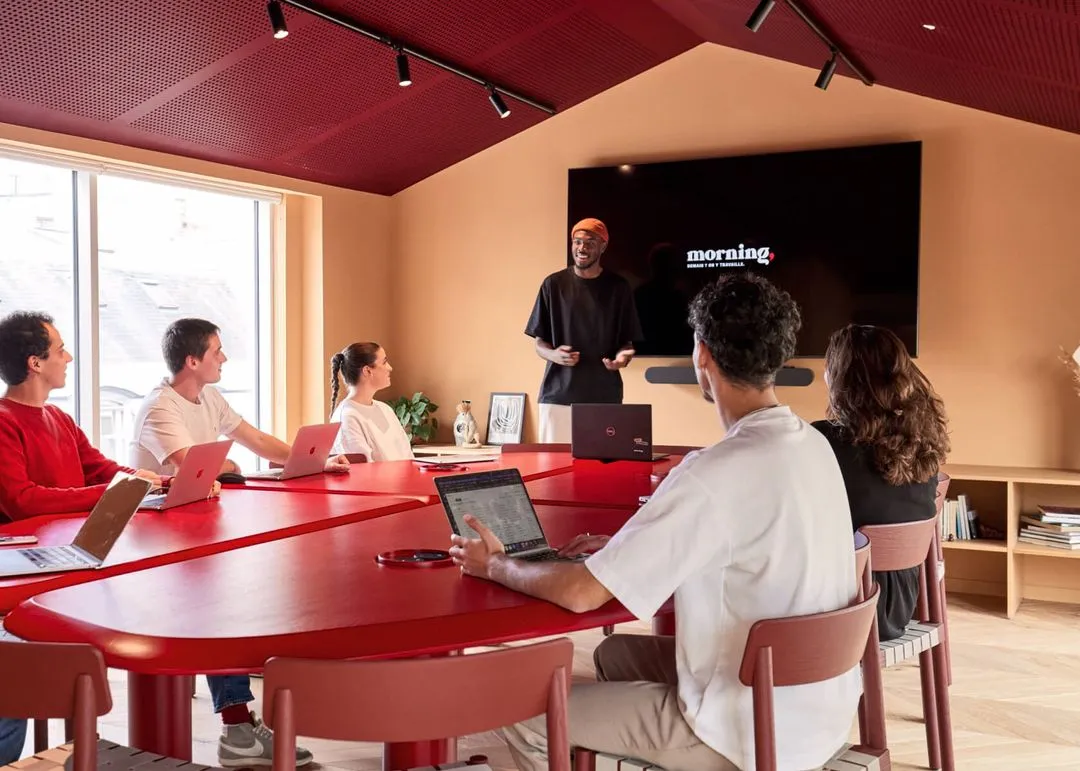

A collaborative space is a work area designed so that several people can discuss, decide or move forward together on the same topic, rather than working in isolation at their own desk. It can take the form of a reorganised open space, a dedicated room, or a coworking space shared between several companies. Its design answers one precise question: how to organise a place where collaboration is easier than anywhere else in the office.
What is a collaborative space?
A collaborative space is defined by its use more than by its size or location: it is a zone designed for group work, with modular furniture, smooth circulation and shared rather than individual tools. It differs from a closed desk, built for solo focus, and from a standard meeting room, reserved for planned formal discussions.
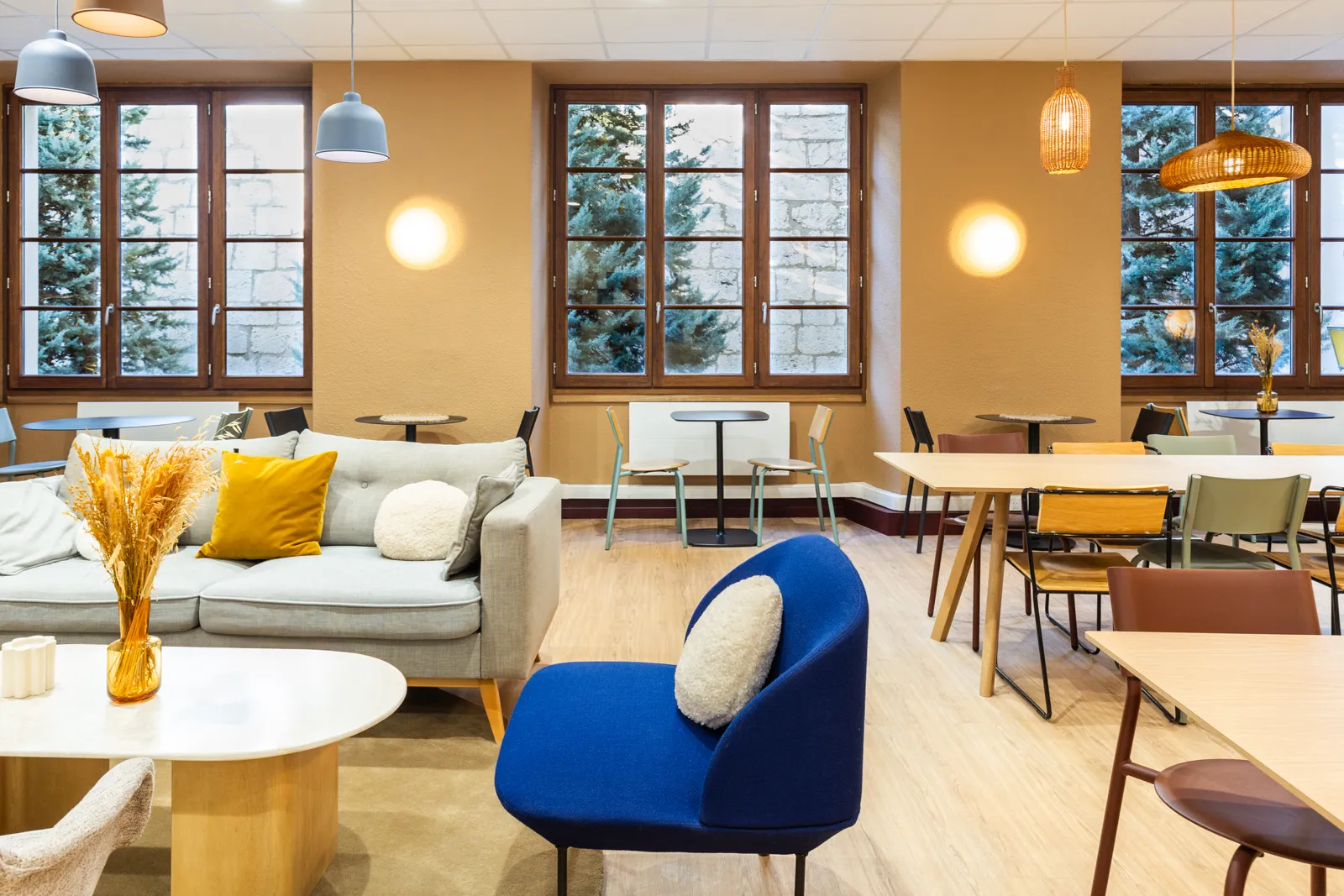
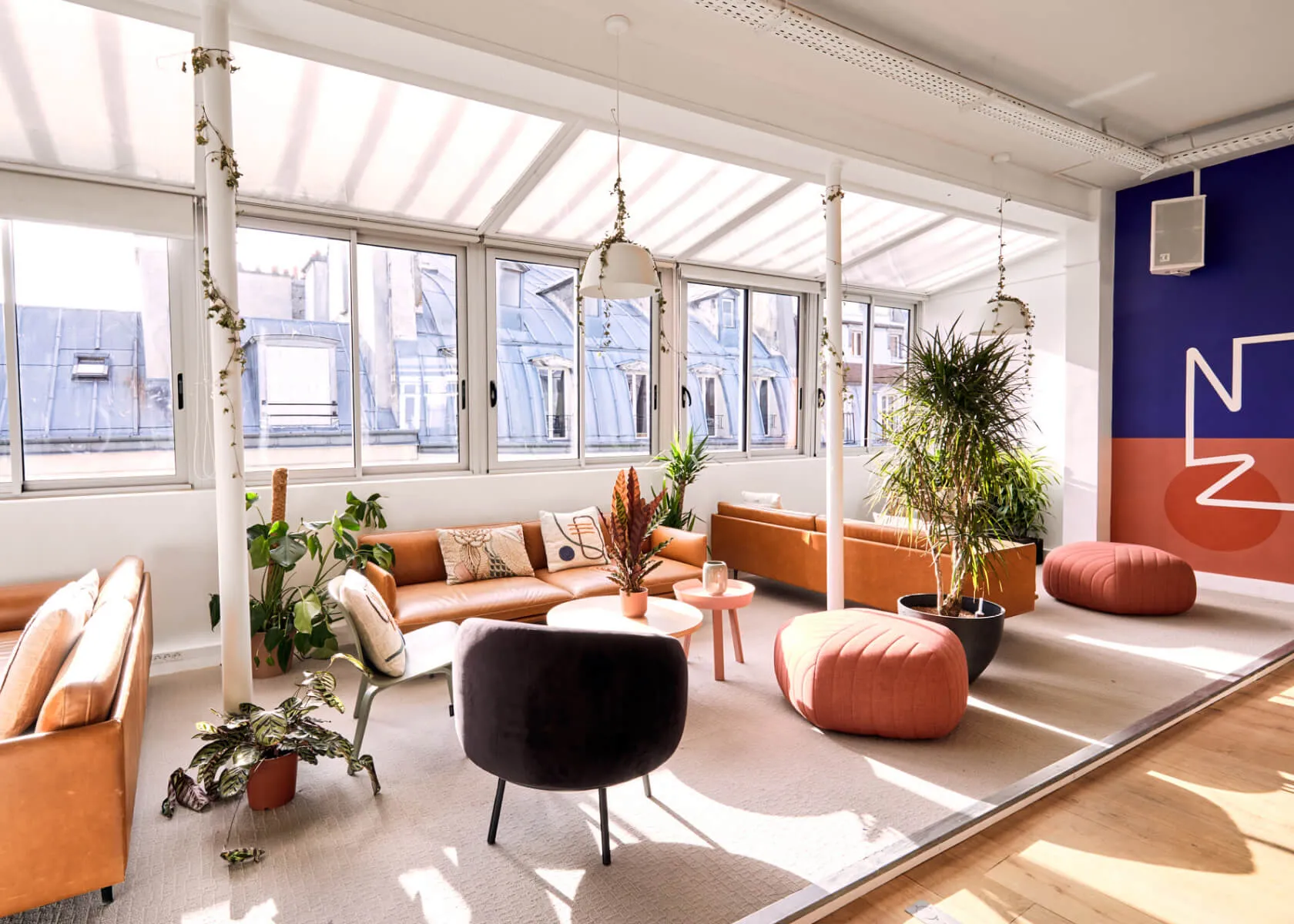
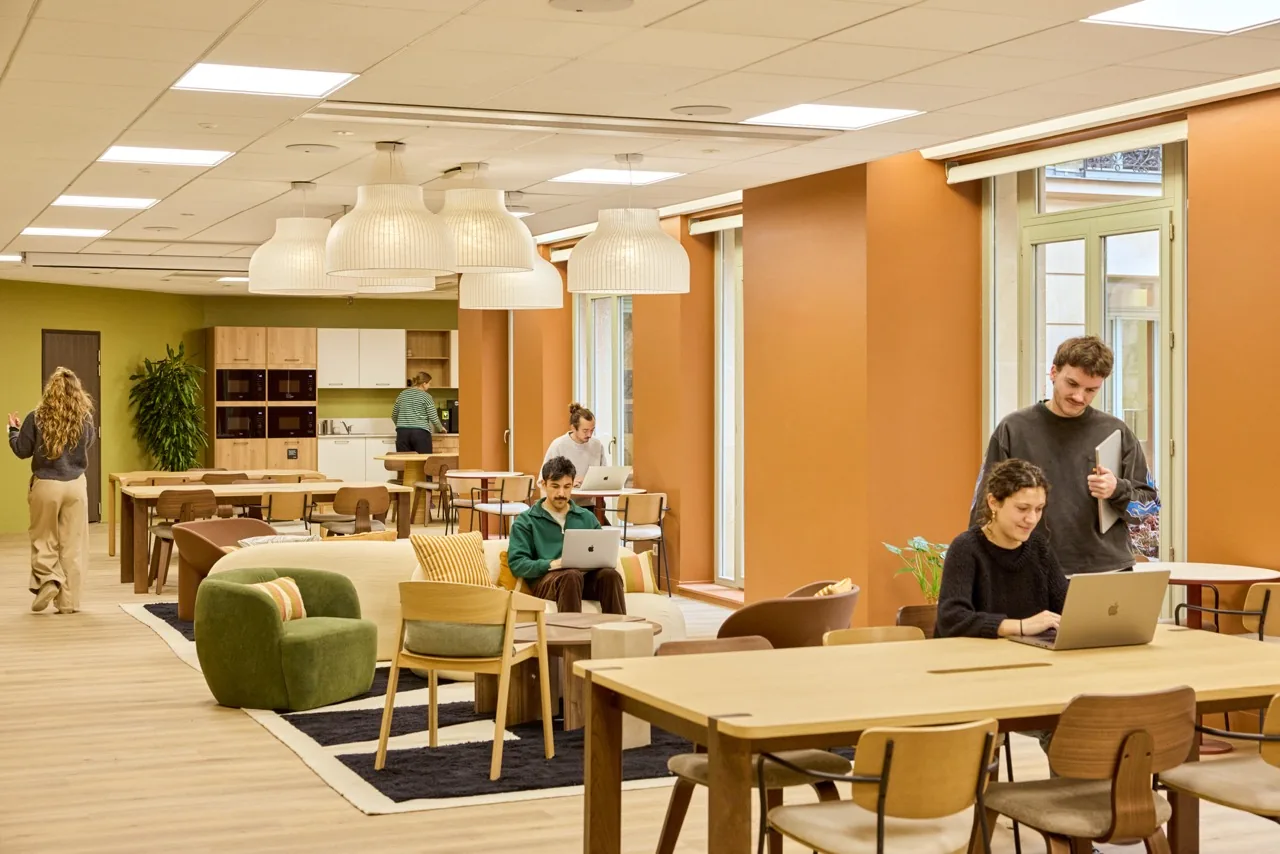
In practice, collaborative spaces take different forms: a lounge corner with armchairs and a coffee table for informal exchanges, a large shared table for pair work, or a zone equipped with screens for brainstorming sessions. What connects these setups is intent: supporting ways of working where several coworkers contribute to the same topic at the same time.
The different types of collaborative spaces in a company
Companies usually combine several formats depending on team size and the kind of interaction they are looking for.
Open and modular spaces
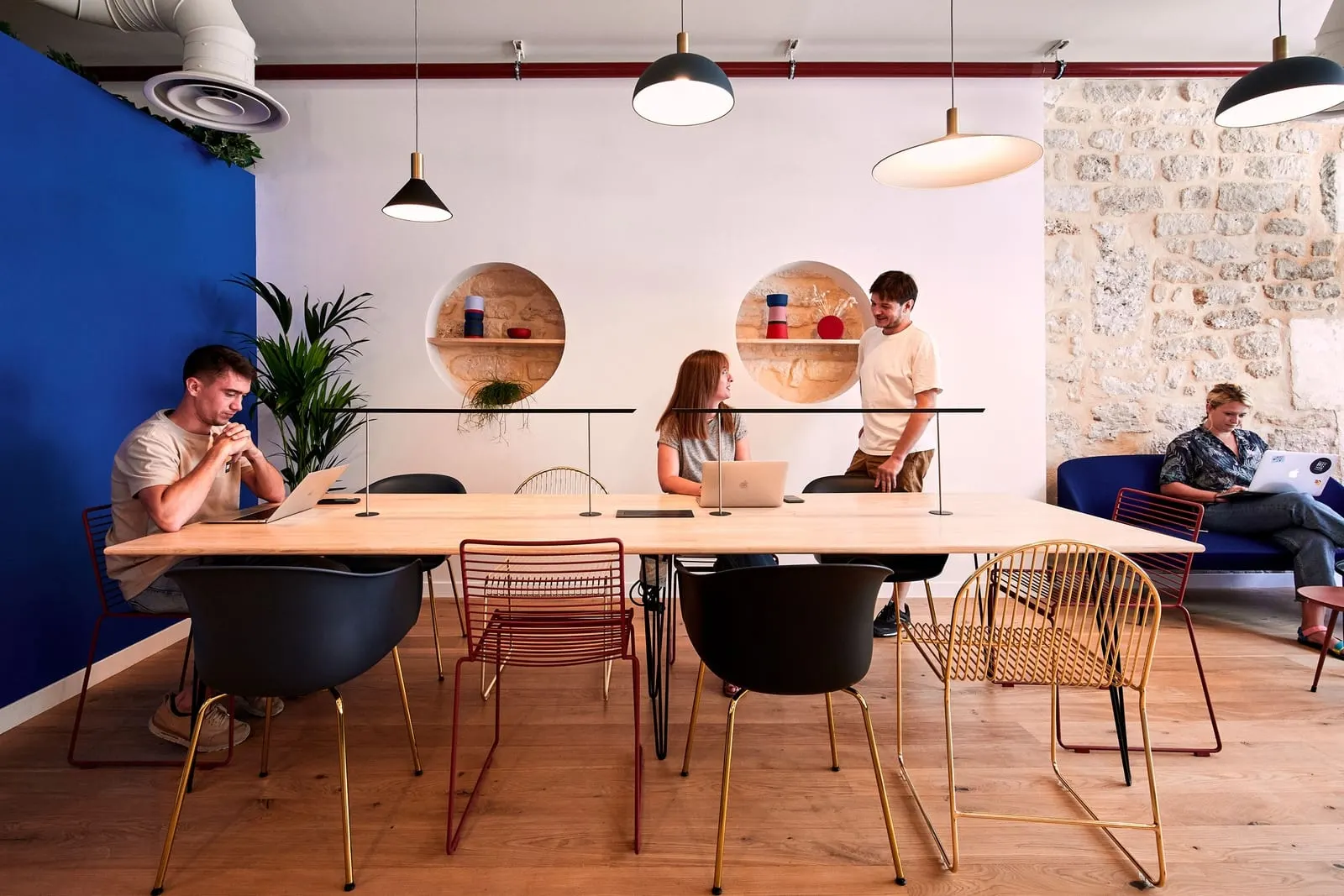
The collaborative open space remains the most common format: large shared tables, lightweight furniture that is easy to move, and low partitions that keep visual contact between teams. The choice between a private office or open space mostly depends on how often interaction is needed day to day and on the level of confidentiality the activity requires.
Informal meeting zones
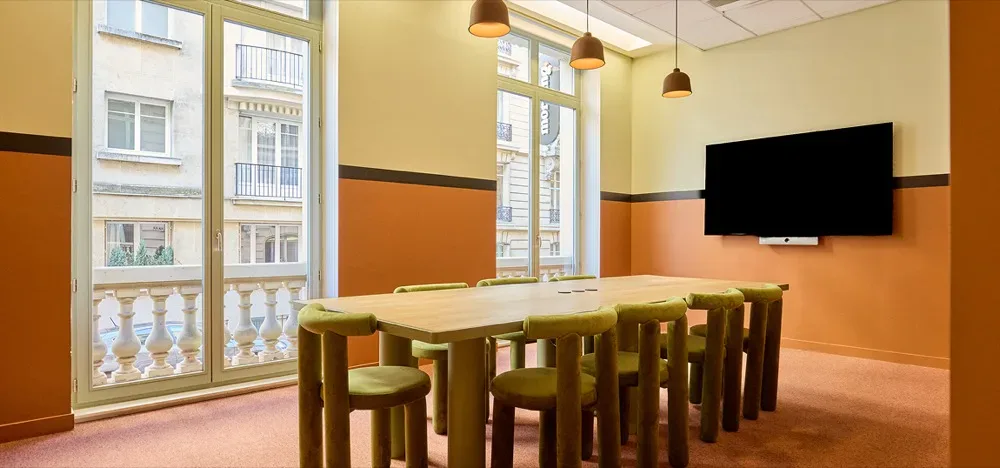
Alongside traditional meeting rooms, small zones with no booking needed allow short exchanges of ten to twenty minutes without tying up a whole room. Phone booths and privacy pods round out this setup for calls or conversations that need a bit more quiet.
Shared coworking spaces
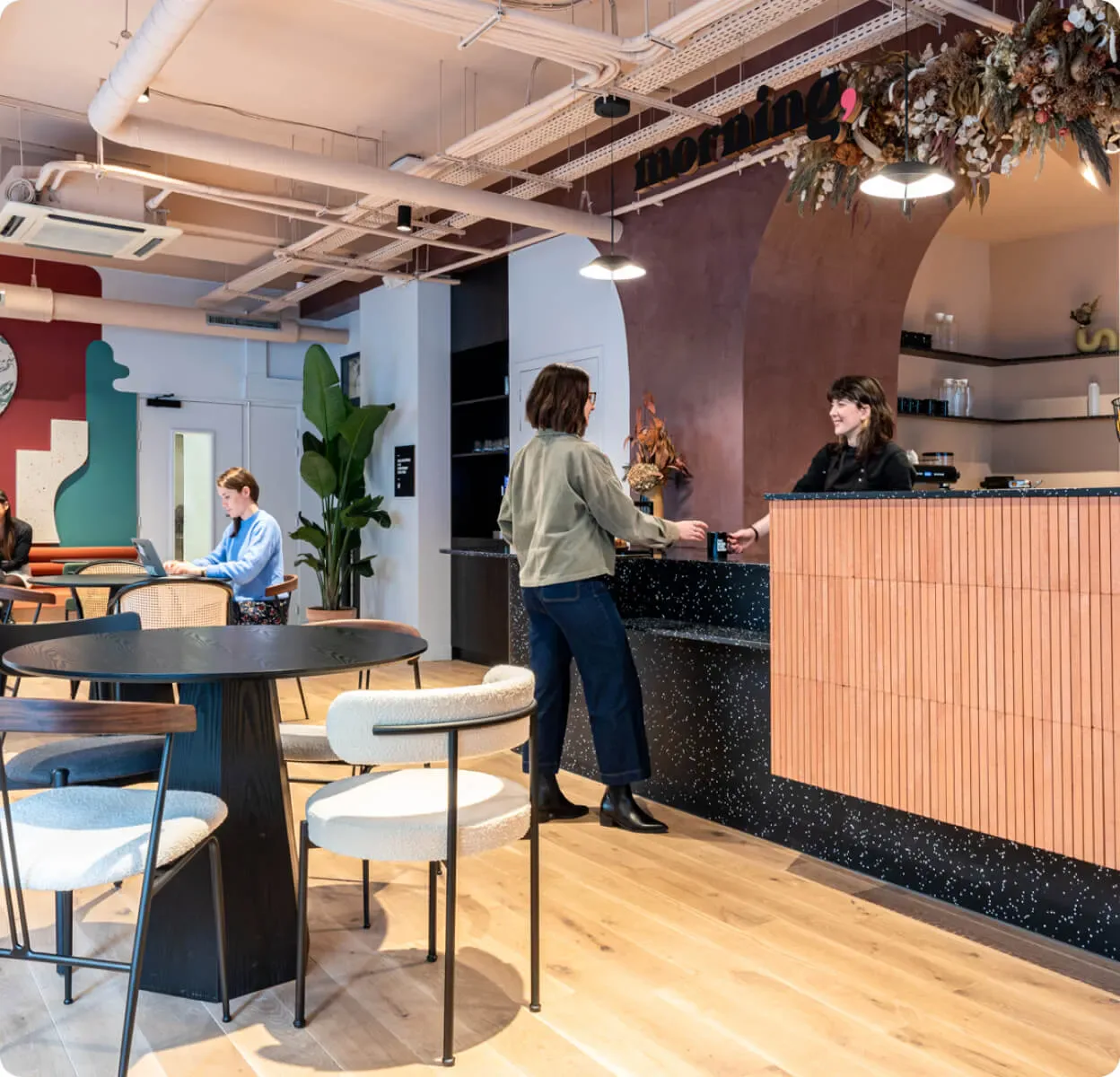
A coworking space is a collective form of collaborative space, since it brings together professionals from different companies around shared services and common areas. Companies looking for the best coworking spaces in Paris often find a collaborative layout already in place, with no upfront investment in furniture or equipment.
Why create collaborative spaces: the benefits
The main benefit of a well-designed collaborative space lies in how fast information travels: a question settled in a few minutes face to face often avoids several written exchanges spread over a whole day. This proximity also helps ideas surface that would not have come up in strictly scheduled discussions.
Teams that regularly work in this type of space also report a stronger sense of belonging: informal interactions, often overlooked, play a real role in cohesion and in mutual understanding between coworkers from different departments. The benefits of coworking in this respect have been documented for several years, with the mix of outside professionals adding an extra diversity of viewpoints.
These benefits are not automatic, however: a poorly placed, too noisy or poorly equipped collaborative space can fragment teams’ attention instead of supporting their output.
How to design an effective collaborative space
Choosing the physical layout
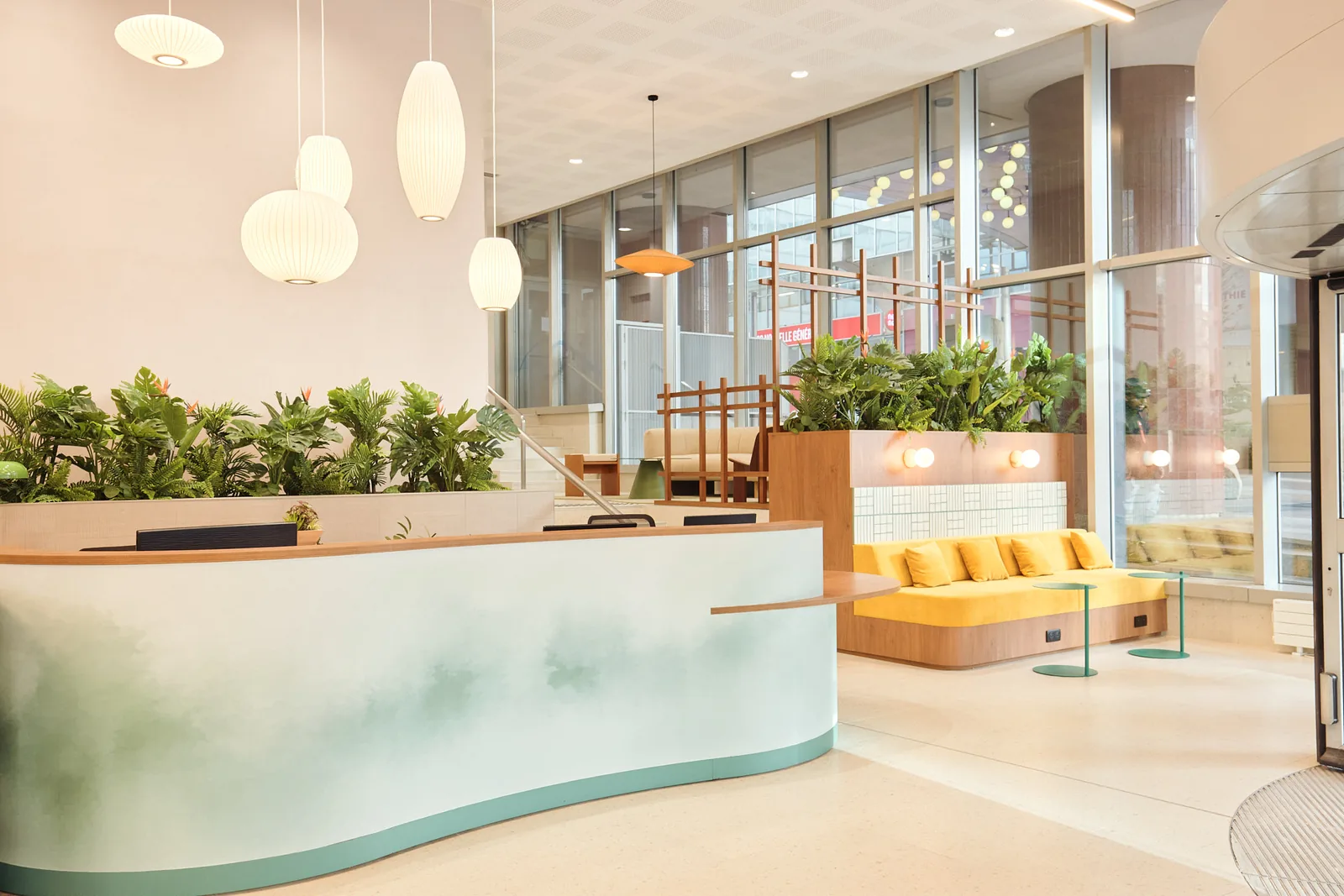
Layout starts with a simple observation of existing habits: when do teams gather, for how long, and around what kind of exchange. Furniture should follow that observation rather than come before it: modular tables, varied seating, and acoustic treatment to limit disturbance between neighbouring zones. Natural light and greenery also add to the perceived comfort of these spaces, which are often used for longer than an individual desk.
Tools and equipment
An effective collaborative space relies on a few well-chosen tools rather than a pile of equipment: a shared screen for short meetings, simple video conferencing support for teams working in flex office or part-time remote arrangements, and easy access to power outlets. The goal is to remove the technical friction that discourages spontaneous use of the space.
Digital collaborative spaces: a useful complement
Alongside physical layout, digital solutions now support collaborative work: shared document suites, team messaging apps, project management tools. These solutions help keep track of a topic between two visits to the physical collaborative space, particularly for hybrid teams. They do not replace the design of the space itself, though, which remains the deciding factor in the quality of in-person interaction.